Canada jobs July 2026 data showed a stronger labour market, with employment rising by 75,000 as the unemployment rate fell to 6.4%, its lowest level in two years. Employment increased 0.4%, while the employment rate rose to 60.9%, according to Statistics Canada. The unemployment rate has now declined for three consecutive months.
Canada Jobs July 2026: Full-Time Work Drives Recent Gains
The improvement extends beyond July. Since April, total employment has increased by 181,000, or 0.9%, driven by a 193,000 increase in full-time employment. July’s gains were split between full-time and part-time work. Private-sector employment rose by 58,000, while self-employment increased by 44,000. Public-sector employment declined by 27,000.
Retail, Finance and Construction Add Jobs
Employment increased across several major industries. Wholesale and retail trade added 21,000 jobs, while finance, insurance, real estate, rental and leasing gained 18,000. Professional, scientific and technical services added 17,000, while construction employment increased by 16,000. Ontario recorded the largest provincial increase, with employment up 52,000, followed by British Columbia at 18,000.
Wage Growth Cools
Despite stronger employment, wage growth slowed. Average hourly wages among employees increased 2.8% year over year to $37.17, following 3.3% growth in June. Youth unemployment remained at 12.6%, showing that improvement was not uniform across the labour market.
Stronger Jobs Add a New Twist to the BoC Outlook
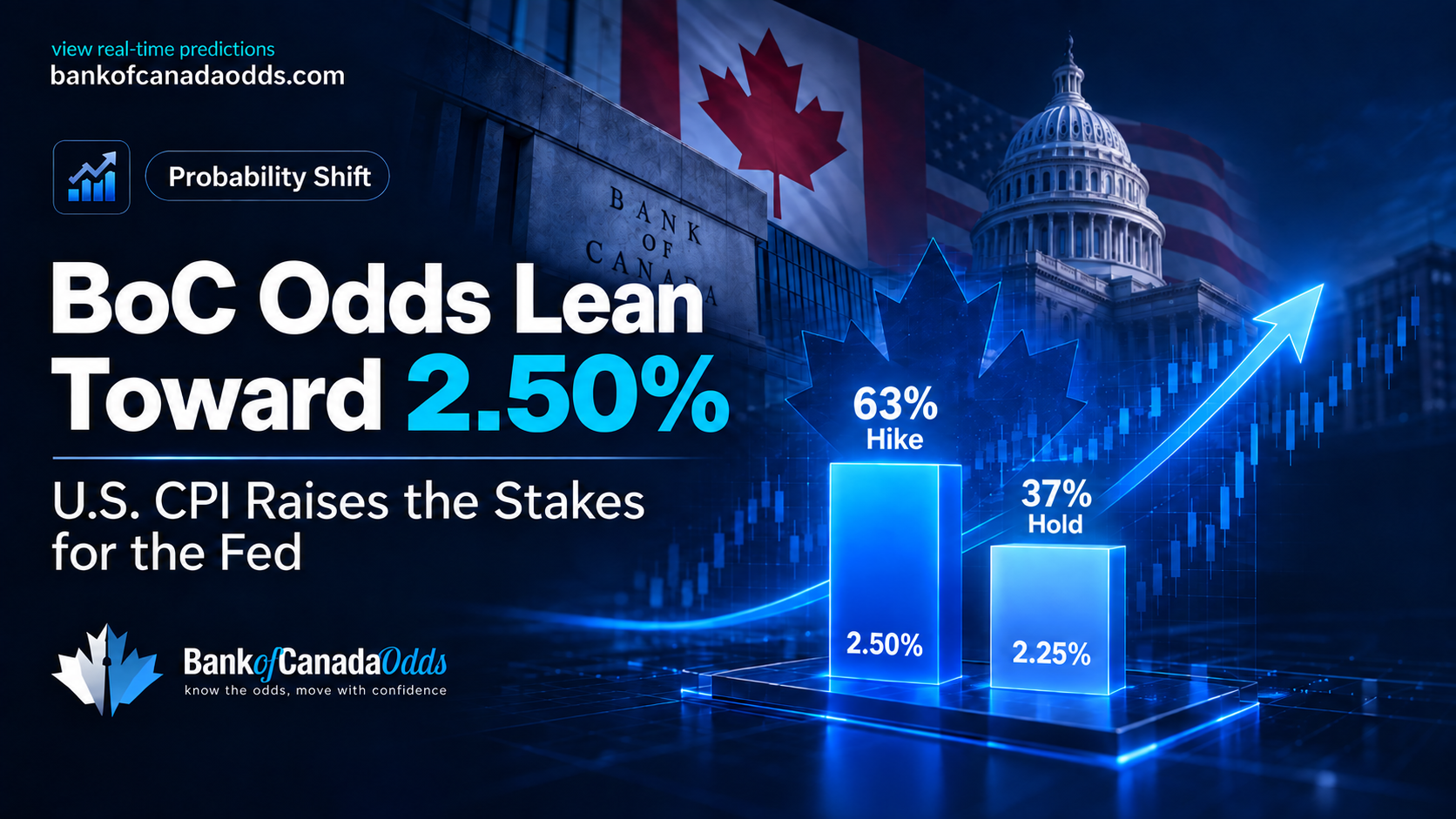
July’s report strengthens the labour-market picture ahead of the Bank of Canada’s September 2 rate decision. The Bank held its overnight rate at 2.25% on July 15, when policymakers said labour market conditions remained soft while economic growth was showing signs of improvement. The latest data show a firmer employment picture, with 75,000 more people employed and total employment up 181,000 since April. Still, slower wage growth and elevated youth unemployment show that some weakness remains. For the Bank of Canada, the labour market is improving, but the next rate move will still depend on how growth and inflation develop.