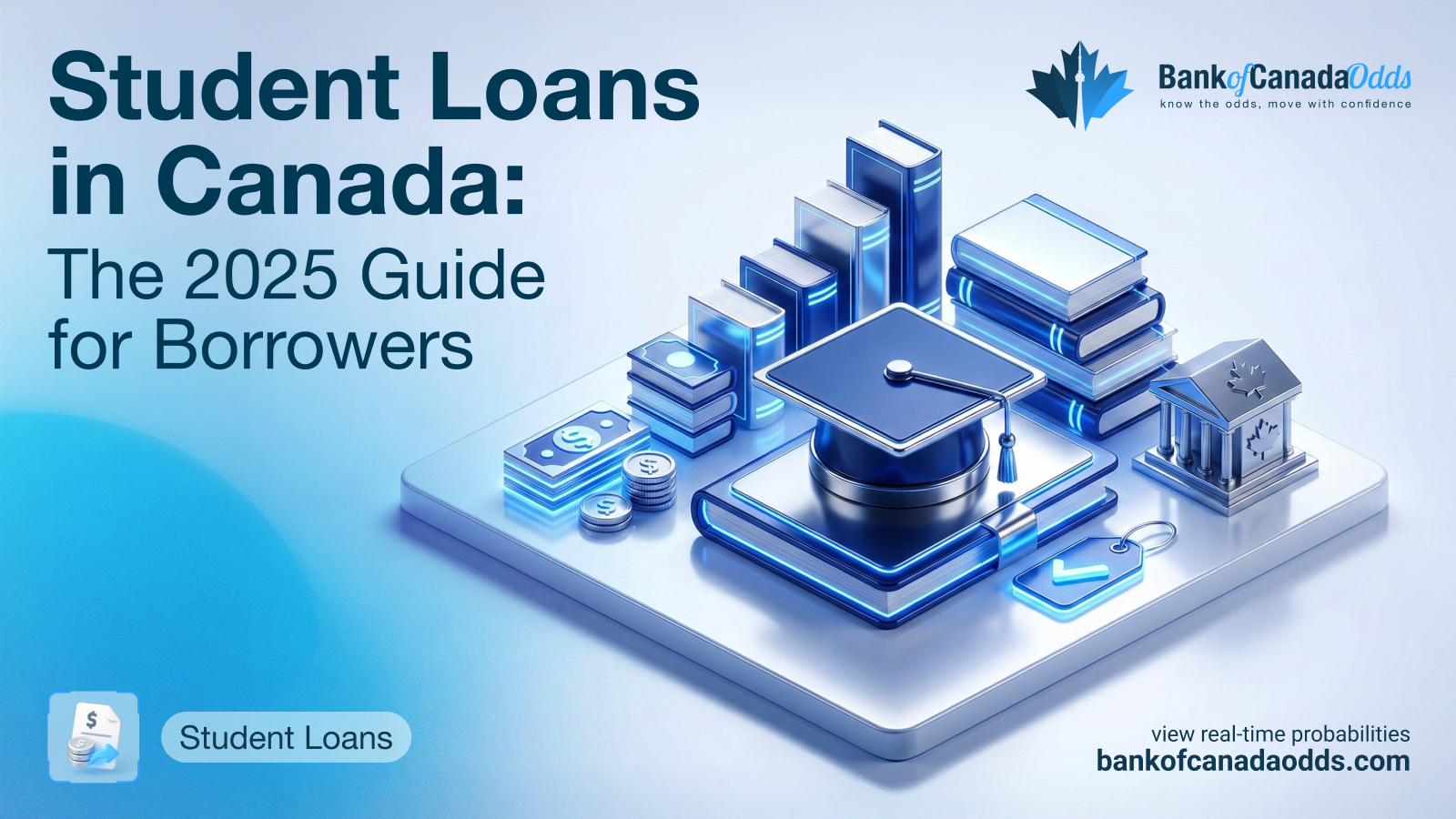
Student loans are one of the most popular financing mechanisms for Canadians pursuing post-secondary education. As tuition fees, living costs, and new government programs evolve, understanding the mechanics of student loans in Canada is increasingly relevant. New updates in 2025 include expanded loan forgiveness for medical professionals and continued interest-free status on federal funds.
This article explains how federal and provincial student loans work, the changes to the system in 2025, repayment options, interest provisions, loan forgiveness opportunities, and ways for students to keep themselves financially safe while in university.
How Student Loans Function in Canada
Canada has a national student loan and grant system created by the federal government, as well as several systems established by individual provinces and territories. Both systems make funds available to students pursuing eligible post-secondary studies. Most students use a combination of federal and provincial/territorial loans and grants. The Government of Canada website provides a central hub for these applications.
Eligibility Requirements for Government Student Loans in 2025
There are specific requirements to qualify for government-funded student loans in Canada in 2025. These requirements include:
- Being a Canadian citizen, permanent resident, or protected person,
- Having demonstrated financial need,
- Being registered in a qualifying post-secondary program,
- Maintaining satisfactory academic progress,
- And meeting the requirements for residency in some provinces/territories (typically, 12 months prior to application).
New Developments in Student Loans in 2025
There have been several recent changes to the way government-funded student loans function in 2025. Some of these developments include:
1. Permanent Removal of Interest from Federal Loans
The federal government has permanently eliminated interest from all federal student loans. This means borrowers are only responsible for paying back the principal amount borrowed. However, provincial portions may still carry interest.
2. Increased Amounts for Low-Income Students
For the 2025-2026 academic year, the Canada Student Grant for full-time students continues to award up to $4,200 annually based on a student’s financial need. This helps offset the rising cost of living, which you can track via our The Six Drivers section.
3. Updates to the Repayment Assistance Plan (RAP)
The Repayment Assistance Plan (RAP) has been updated to include:
- Higher income thresholds (zero payments for single borrowers earning under $40,000),
- Lower monthly payment ceilings,
- Simplified eligibility review processes.
4. New Maximum Weekly Eligibility for Student Loans
Students may now qualify for larger weekly maximums (up to $300 per week), which will help them account for increasing living costs and tuition.
Federal Student Loans
Federal student loans are administered under the Canada Student Financial Assistance Program. They consist of:
- Canada Student Loan (interest-free), and
- Canada Student Grants (not repayable).
Loan Limits
A full-time student is eligible to borrow up to a certain weekly maximum, which depends on their need, study duration, and whether they have dependents. Understanding these limits is crucial for budgeting. For more on how economic factors influence these limits, visit How It Works.
Repayment Provisions for Federal Student Loans
Repayment obligations begin either six months after graduating, or if a student leaves school and does not intend to pursue further studies for more than six months. No interest is charged on the federal principal.
Provincial and Territorial Loans
Individual provinces administer their own student loan programs. The following is a brief summary of how several major programs operate:
- Ontario (OSAP): Students combine federal and provincial aid, and interest is only charged on the provincial portion.
- British Columbia: British Columbia provides interest-free provincial loans to students.
- Quebec: Quebec operates a completely independent loan and bursary program for students.
- Alberta: Alberta has relatively low interest rates for provincial loans and allows for repayment assistance that is compatible with federal programs.
- Atlantic Provinces: The Atlantic Provinces provide a combination of grants and loans with varying interest charges depending on the province.
Interest on Student Loans
Federal Loans
Federal loans are always interest-free, regardless of whether the borrower is in repayment.
Provincial Loans
Interest is charged differently on provincial loans, depending on the province. Some examples include:
- British Columbia: No interest is charged.
- Ontario: Interest is applied to the provincial portion of the OSAP loan.
- Alberta: Low fixed or floating interest rates.
- Quebec: Interest is charged on provincial loans, but the federal government subsidizes interest payments for low-income borrowers.
Students should consult with their provincial government to determine their current interest provisions. You can also monitor interest rate trends on our Odds Dashboard.
Repayment Options
Standard Repayment
Students can opt to repay their loan at a fixed rate over nine years.
Extended Repayment
Some provinces allow students to extend the repayment period of their loan to reduce their monthly repayment obligation, though this often results in paying more interest over time.
Repayment Assistance Program (RAP)
RAP is a program designed to assist students who cannot afford to repay their loan obligations. RAP can:
- Reduce the monthly repayment obligation to $0 or an affordable payment, depending on income,
- Waive interest on provincial loans,
- Result in loan forgiveness after 15 years of RAP participation.
Student Loan Forgiveness Opportunities
1. RAP Loan Forgiveness
If a student participates in RAP for 15 years, any remaining federal principal loan balance will be forgiven. For students with disabilities, this period is often reduced to 10 years.
2. Loan Forgiveness for Doctors and Nurses
Medical professionals working in rural or remote communities (now defined as communities with populations under 30,000) may be eligible for the Canada Student Loan Forgiveness program. This includes up to:
- $60,000 for Doctors,
- $30,000 for Nurses or Nurse Practitioners.
Other Province-Specific Forgiveness Programs
Some provinces offer loan forgiveness for:
- Teachers in high-need areas,
- Social Workers,
- Early Childhood Educators,
- Health Professionals.
Grants and Non-Repayable Funding
Grants are non-repayable funding and are intended to decrease the reliance on student loans in Canada. The most common types of grants include:
- Canada Student Grant for Full-Time Students,
- Grant for Students with Dependents,
- Grant for Students with Disabilities,
- Provincial Bursaries.
Students should always seek out available grants prior to seeking private funding.
Private Student Loans and Lines of Credit
When federal and provincial loans do not fully meet a student’s financial needs, many students seek private funding.
Advantages
- Higher borrowing limits,
- Quicker approval,
- More flexible repayment terms.
Disadvantages
- Higher interest rates,
- Must undergo a credit assessment,
- Typically requires parental co-signature.
Private funding should be considered a last resort.
Ways for Students to Manage Their Student Debt in 2025
- Seek out all available grants every year.
- Attempt to find part-time work while attending classes to minimize borrowing.
- Only take private loans if it is unavoidable.
- Regularly monitor your loan portal (federal and provincial).
- Pay a little towards your principal while in school to gradually reduce the principal.
- Reach out to your lender immediately if you encounter challenges with making payments.
Frequently Asked Questions
Will federal student loans remain interest-free in 2025?
Yes, federal student loans will remain interest-free in 2025.
Do I need to submit separate applications for grants?
No, your grant eligibility will be automatically assessed when you submit an application for a student loan.
When do I need to start repaying my student loan?
You will need to begin repaying your student loan six months after completing your studies or dropping below full-time status.
Can student loans be used for general living expenses?
Yes, student loans and grants can be used for living expenses such as rent, food, textbooks, and other education-related expenditures.
If I am having difficulty affording my loan payments, what can I do?
You can apply for RAP, which may reduce your loan payments to $0 depending on your income.
Other Factors Relevant to Student Loans in 2025
Increased Cost of Living
As housing, grocery, and transportation costs rise across the country, many students will rely more heavily on loans and grants to fund their education. A basic understanding of loan structures will enable students to avoid borrowing too much money and better manage their cash flow while in school.
Effects of Working Part-Time While Studying
Many students will earn money while attending full-time studies. Income earned while in school may reduce the amount of financial need that is assessed against a student, and may ultimately help students reduce their overall debt burden once they graduate. Therefore, tracking income and creating budgets is vital.
Loans Available to International Students
Generally, international students do not qualify for federal or provincial loans. However, they may be able to obtain:
- Scholarships and bursaries,
- University-specific funding,
- Private student lines of credit (with a co-signer).
Using a Student Line of Credit Responsibly
While student lines of credit provide flexibility, they require discipline. Interest will start accruing immediately upon withdrawal, therefore borrowers should:
- Withdraw only the minimum amount of money required,
- Make interest-only payments on a regular basis,
- Convert the line of credit to a term loan after graduation if desired.
Interaction Between Student Loans and Credit Scores
Government student loans do not assess credit history for approval; however, a borrower’s repayment behaviour will affect their credit score. Missing loan payments may negatively affect a borrower’s credit score, while consistently making loan payments will positively impact their credit profile for future borrowing such as mortgages or auto loans.
Conclusion
Student loans in Canada play a significant role in the financing of post-secondary education. The 2025 updates to the student loan system offer greater support to borrowers than ever before, especially since the federal government has made all federally funded student loans interest-free. By gaining knowledge about the mechanics of the various loan programs and utilizing available assistance, students can effectively manage their debt and protect their long-term financial security. Stay updated on economic factors affecting your loans by subscribing to our updates in the Subscription section.