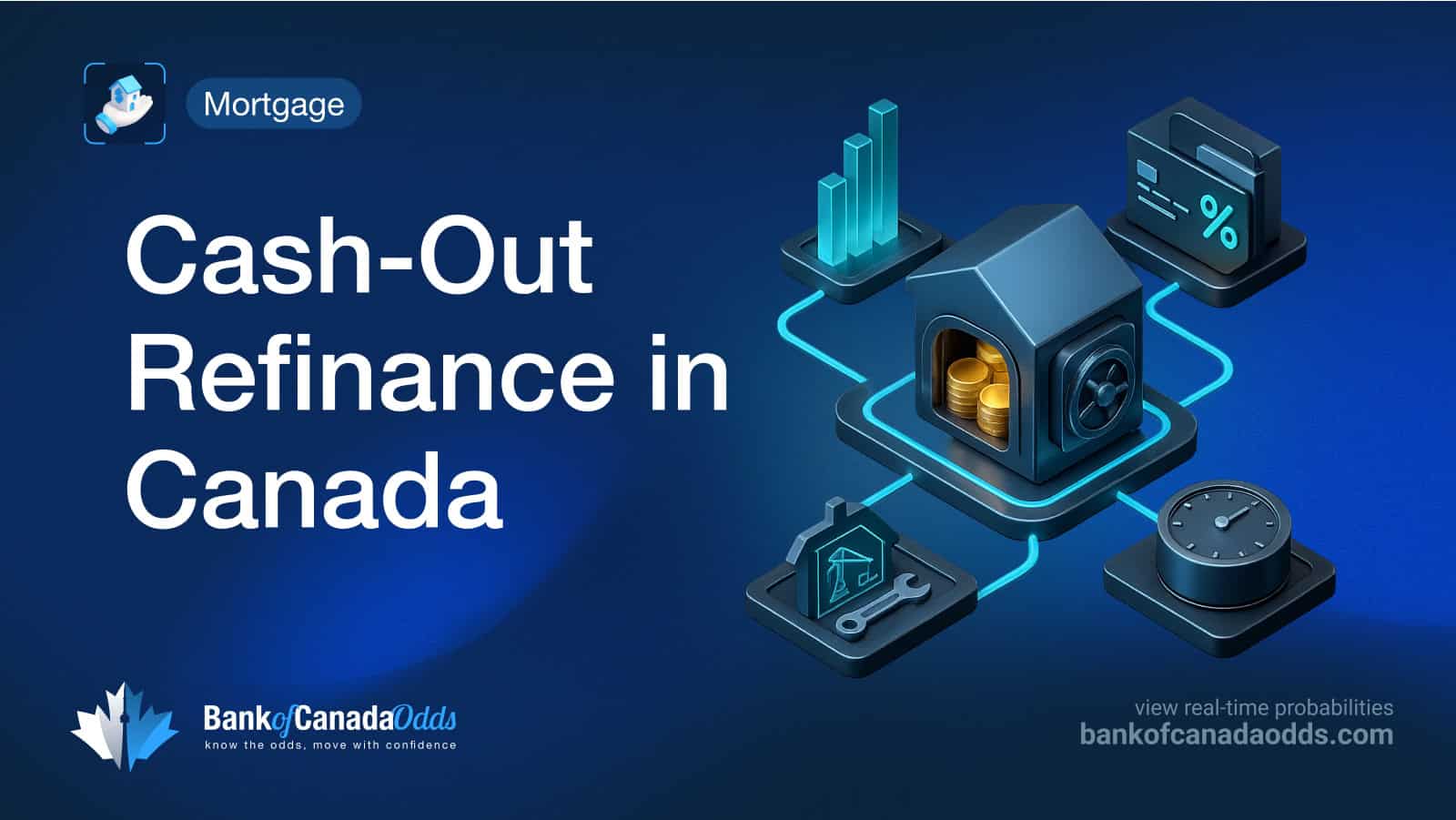
For Canadian homeowners, your property isn’t just shelter—it’s leverage. With interest rates easing and home values stabilizing, a cash-out refinance in Canada can be your key to unlocking equity without selling. Whether you need to consolidate high-interest debt, fund renovations, or seize an investment opportunity, tapping into your home’s value could offer flexible, low-cost funding.
What Is a Cash-Out Refinance?
A cash-out refinance replaces your existing mortgage with a new, larger one. The difference is paid to you in cash—allowing you to convert home equity into accessible funds while keeping ownership.
Example: If you owe $300,000 on a $500,000 home, you could refinance up to $400,000 and receive $100,000 in cash (minus fees). You’ll now pay interest on the new loan amount, often at lower rates than personal loans or credit cards.
Current Market Conditions (Fall 2025)
As of October 2025, five-year fixed mortgage rates average between 3.8% and 4.7%, and variable rates range from 4.4% to 5.0%. Following the Bank of Canada’s 0.25% rate cut in September, lenders have begun easing refinance restrictions, giving borrowers better access to equity.
Many homeowners who bought before 2022—especially during 2018–2021’s boom—may now have substantial equity growth. This environment makes refinancing an attractive alternative to HELOCs or unsecured loans.
How It Works
- Borrow up to 80% LTV: Most lenders allow refinancing up to 80% of your home’s appraised value.
- Tax-free cash: Funds received are not taxable since they are borrowed.
- New monthly payments: Payments begin immediately on the new balance.
Why Consider a Cash-Out Refinance?
1. Debt Consolidation
Replace 18–20% credit card or personal loan debt with a 4–5% mortgage rate—saving thousands in interest and simplifying your payments.
2. Renovations or Upgrades
Fund energy-efficient upgrades, rental suites, or modern renovations that increase your home’s value or generate rental income.
3. Investment Opportunities
Use equity to invest in rental properties, ETFs, or small businesses. Just ensure expected returns beat your borrowing cost.
4. Emergency or Tuition Costs
Access fast liquidity for major expenses—at lower rates than unsecured borrowing.
Pros and Cons
Pros
- Low interest compared to credit cards
- Large cash access without selling
- Streamlined monthly payments if consolidating
Cons
- Higher loan amount increases total interest
- Appraisal and legal fees apply
- Risk of losing equity if property value declines
Qualification Requirements
- Credit Score: Ideally 650+
- Loan-to-Value: Max 80% of appraised value
- Stress Test: Must qualify at higher of contract rate +2% or BoC benchmark
- Income Verification: Pay stubs, tax returns
Cash-Out vs. HELOC: Which Is Better?
Cash-Out Refinance: Best if you need a lump-sum at a fixed rate.
HELOC: Ideal for flexible, revolving borrowing with variable rates.
The Refinancing Process
- Get a home value estimate or appraisal
- Compare lenders or brokers
- Submit full mortgage application
- Appraisal, approval, and final closing
- Receive your equity funds after your old mortgage is paid off
Fees to Expect
- Appraisal: $300–$500
- Legal Fees: $800–$1,500
- Title Insurance: Province-dependent
When It Makes Sense
A cash-out refinance in Canada makes sense when you can put the funds to productive use or reduce high-interest debt. If you’re nearing retirement or already maxed on amortization, proceed with caution—longer repayment terms may not align with your financial goals.
Quick Q&A
Q: How much can I borrow?
Up to 80% of your home’s appraised value, minus your current balance.
Q: Will I need to requalify?
Yes, even with your current lender, your income and credit will be reassessed.
Q: How long does it take?
Typically 3–6 weeks, depending on lender processes.
Q: Is it better than a HELOC?
Yes, if you want a lump sum at a fixed rate. HELOCs offer more flexibility but at variable rates.
Q: Is the money taxable?
No. You’re borrowing, not earning—but interest isn’t tax deductible unless used for investing.
Final Thoughts
A cash-out refinance offers a practical way to unlock value from your home—whether for debt relief, renovations, or strategic investments. With 2025’s improving rate environment, now may be the right time to explore your options.
Stay updated on refinance strategies, interest rate forecasts, and mortgage news at BoCOdds.com. For visual trends and data, visit our BoC Dashboard or learn how it works to build your rate forecast toolkit.