The Bank of Canada policy rate was held at 2.25% in the central bank’s final policy decision of 2025. The outcome was widely expected and reflected policymakers’ desire to assess how earlier easing measures continue to work through the economy.
As a result, market attention quickly shifted away from the decision itself and toward guidance for 2026. With inflation easing but not fully contained, the Bank continues to emphasize patience and data dependence.
Bank of Canada Policy Rate Decision
At the same time, policymakers acknowledged progress on inflation while remaining alert to potential upside risks. Wage growth and service-sector prices remain key areas of focus as the disinflation process continues.
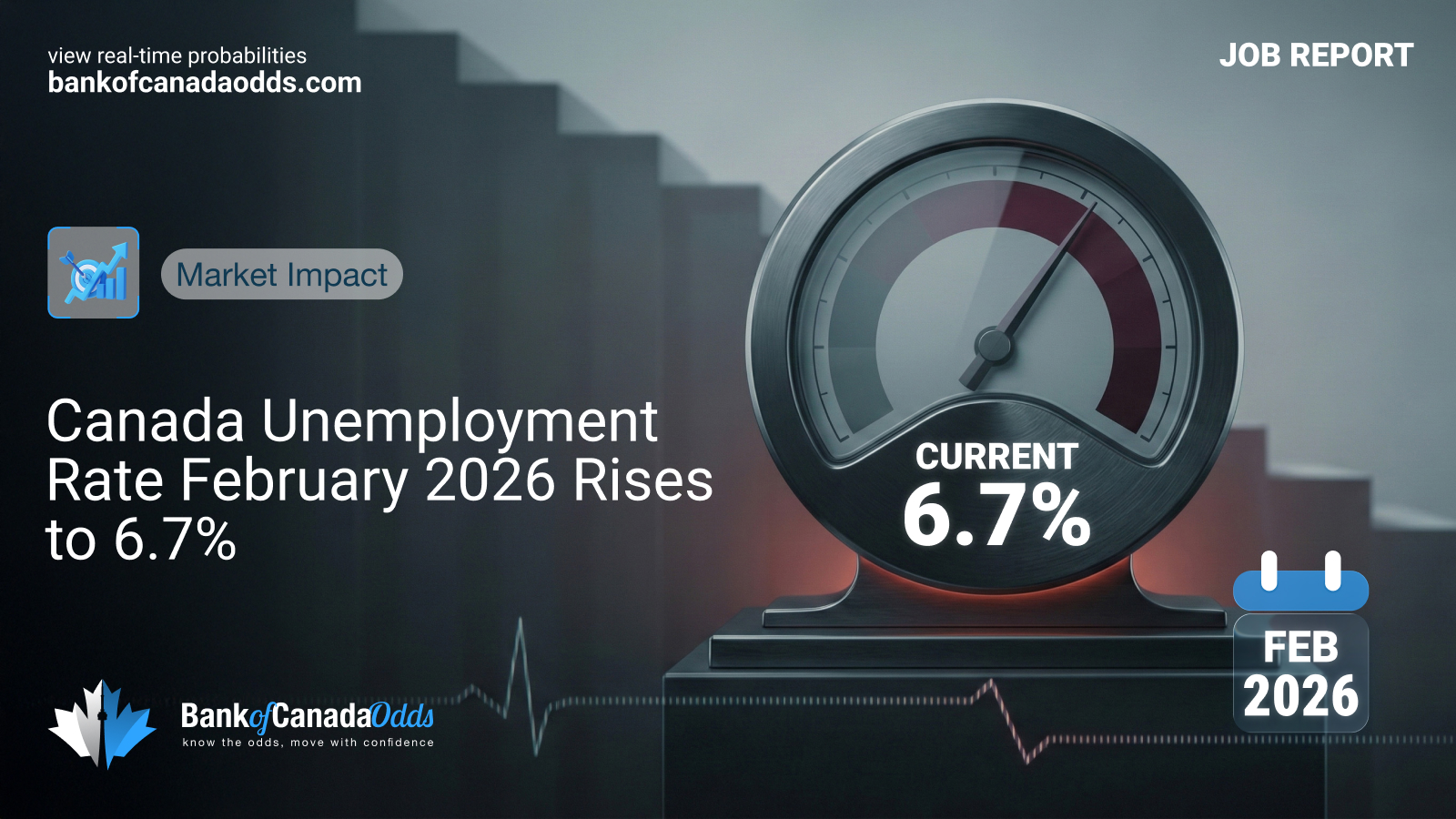
Meanwhile, the labour market has shown signs of cooling, which has reduced pressure for further immediate easing. This backdrop supports the decision to hold rates steady heading into the new year.
What This Means for Inflation and Markets
For markets, the decision reinforces expectations that policy will remain restrictive enough to keep inflation trending lower. Financial conditions have already eased since earlier rate cuts, giving policymakers room to pause.
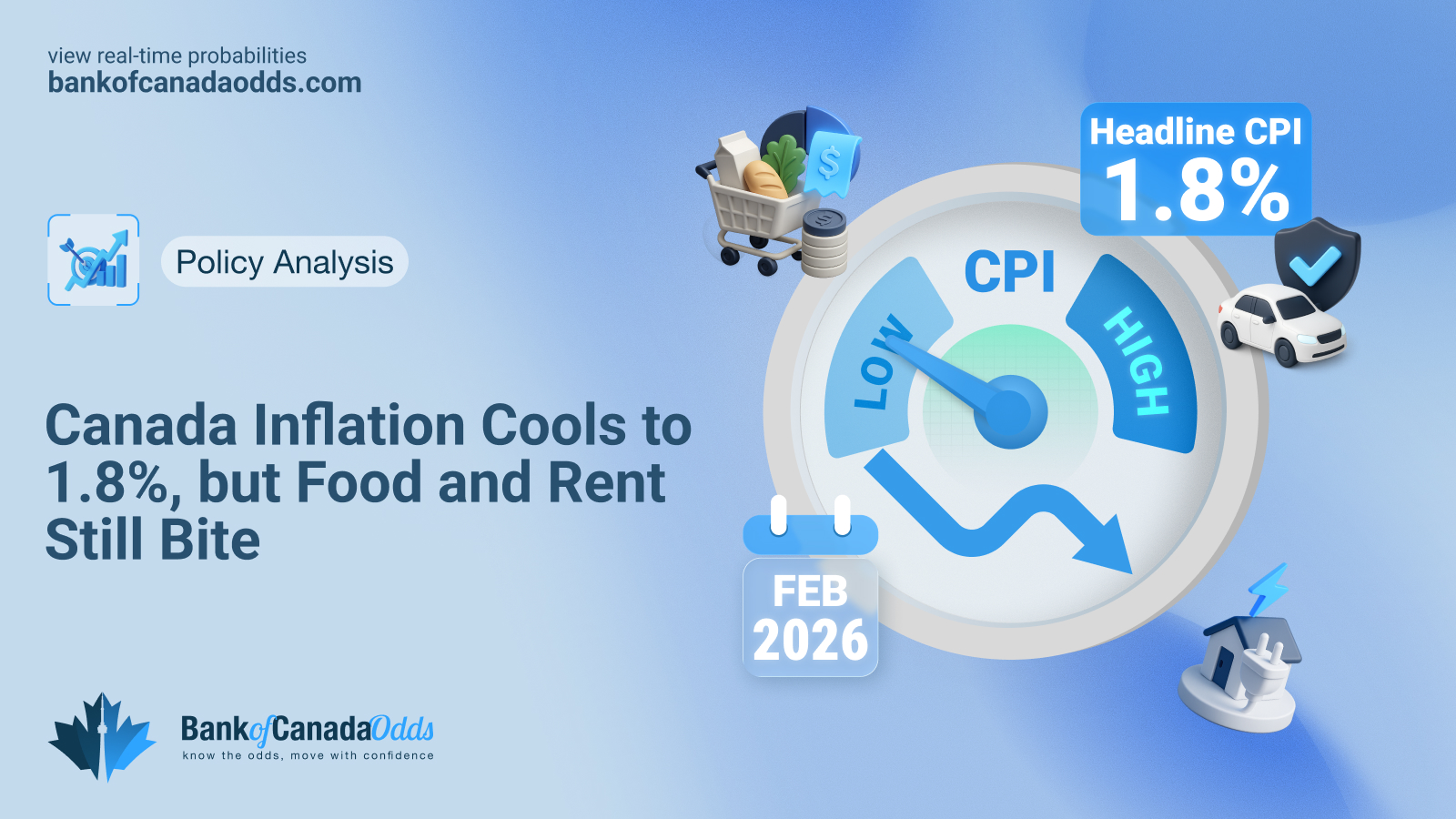
For inflation, food and service-sector prices remain closely watched. While headline inflation has moderated, persistent pressures in certain categories continue to influence the Bank’s assessment.
Looking Ahead to 2026
Looking ahead, the path of the Bank of Canada policy rate will depend on incoming inflation and labour market data. Policymakers appear comfortable maintaining a cautious stance as they monitor how economic conditions evolve into 2026.
For now, the final 2025 decision signals stability rather than urgency. Further adjustments will depend on whether inflation continues to move sustainably toward target without reigniting broader price pressures.